
Why Data Governance, Responsibility, and Transparency Are the Bedrock of Trustworthy AI A Deep Dive for Decision-Makers
Artificial intelligence is no longer on the horizon? it’s at the heart of today’s business strategies, public services, and digital platforms. Every day, AI systems help allocate healthcare resources, screen job candidates, suggest products, and decide which news stories we see. With so many decisions moving from human hands to algorithms, the rules of the game have changed: ethical data governance is now the top priority for everyone building, buying, or regulating AI.
Lisa Medrouk
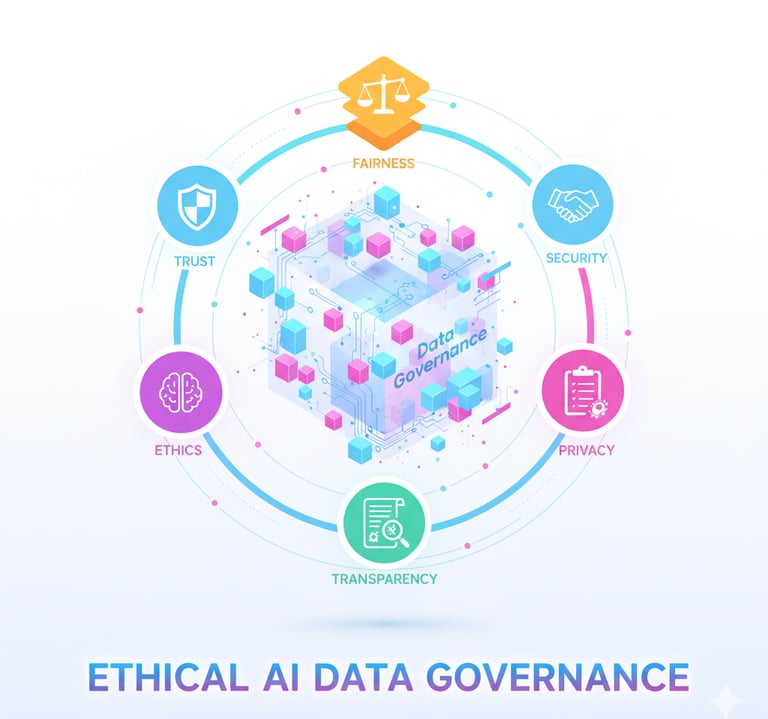
Artificial intelligence is no longer on the horizon? it’s at the heart of today’s business strategies, public services, and digital platforms. Every day, AI systems help allocate healthcare resources, screen job candidates, suggest products, and decide which news stories we see. With so many decisions moving from human hands to algorithms, the rules of the game have changed: ethical data governance is now the top priority for everyone building, buying, or regulating AI.
This article draws on landmark books and acclaimed research? Atlas of AI (Kate Crawford), AI Governance Comprehensive (Sunil Soares), the Oxford Handbook of Ethics of AI, and studies in Frontiers in Human Dynamics? to explore the real-world impact of transparency, responsibility, and governance. We’ll examine challenges, highlight solutions, and call for a new kind of leadership.
1. Transparency: Making Algorithms Understandable and Accountable
Transparency is about shining a light on the logic, data, and design behind AI systems. It’s not enough for companies to claim their models are “fair” or “efficient.” Decision-makers need auditability and traceability proof that systems do what they claim, and can be reviewed by independent experts.
The Oxford Handbook defines transparency as “the ability to inspect, interpret, and challenge the decisions of intelligent systems.” Microsoft, for example, created public-facing AI transparency reports where it detailed how algorithms function, how bias is checked, and how users can seek explanation for decisions, setting a new industry standard.
Real Example:
A European hospital network deploys a medical imaging AI to diagnose patients. Every scan and decision is tracked in an audit trail, making it possible for medical experts, and regulators, to verify not just the results, but the path the AI took to reach them.
2. Responsibility: Building Systems for Redress and Recourse
Responsibility means assigning clear ownership and obligation for how AI systems operate, and what happens when they fail. It goes beyond technical best practices, embracing accountability and recourse:
Accountability: When an algorithm makes a harmful or unfair decision, can an affected person get answers, and compensation?
Recourse: Can users appeal or contest automated decisions, and is there a process for fixing mistakes?
Frontiers in Human Dynamics research notes that true responsibility requires organizations to “maintain detailed documentation, enable appeals processes, and openly admit model limitations.” Sunil Soares highlights the importance of “human-in-the-loop” review for high-impact outcomes: in finance, for instance, loan applicants denied by algorithms can trigger manual review and correction.
Real Example:
A fintech company operating in multiple continents maintains customer logs for every automated denial. Customers can instantly request human review, and by publishing their process, the company builds lasting trust and avoids regulatory action.
3. Data Governance: The Strategic Framework That Makes Ethics Real
Data governance is the organizational “glue” that connects good intentions with real-world practices. According to Crawford’s Atlas of AI, governance must address:
How data is collected (consent, legality)
How it is processed and stored (security, privacy)
Who controls and audits algorithms
How models adapt to changing data and rules
Strong governance isn’t just a technical matter, it’s organizational strategy. The best examples involve cross-disciplinary teams: data scientists, compliance leaders, ethicists, legal experts, and even community voices.
Real Example:
A global logistics company faced new data privacy laws in multiple markets. Instead of hoping for the best, it set up a governance council, mapped data flows, and published policy updates in plain language for employees and customers. This turned complex rules into a competitive advantage, and built customer loyalty in regions where trust is a precious commodity.
Risks of Neglect: What Happens When Transparency and Governance Are Missing
Leading research highlights three key dangers of weak data governance:
Systemic Discrimination:
Algorithms trained on biased data often replicate, not correct, societal inequalities (). A lack of transparency means these biases may go unnoticed.fivebooksLoss of Trust and Engagement:
Users are quick to disengage from platforms where decisions are mysterious, appeal processes are absent, and privacy is at risk.Legal Sanctions:
Governments are imposing stricter fines and restrictions for non-compliance and algorithmic opacity. The cost: not just financial, but reputational.
Real Example:
A social media platform faced international scandal after its algorithms promoted false or harmful news. Because users could not understand or appeal the algorithm’s logic, the service lost millions of users, and faced intense regulatory scrutiny.
Solutions: Best Practices for Responsible, Transparent, and Ethical AI
Research offers a roadmap for getting it right :
Mandatory Bias Audits: Schedule regular, independent reviews of all models for discriminatory patterns.
Clear Documentation: Log every step in data sourcing and decision logic; publish summary findings for stakeholders and the public.
Human Review Processes: For high-stakes outcomes, pair algorithmic advice with human judgment, especially where lives, health, or rights are affected.
Stakeholder Engagement: Involve community groups, ethicists, and non-technical voices in guideline setting and model review.
Open Data Access: Where possible, empower users to see, correct, or delete their personal data and understand how it affects outcomes.
Global Compliance Readiness: Proactively monitor local and international laws, with teams dedicated to adapting models and practices.
A Call to Action: Leadership for the Age of Responsible AI
The age of “move fast and break things” is over. Today’s leaders must champion ethics, transparency, and governance as central pillars of digital transformation. Whether you’re in technology, healthcare, finance, or government, ensuring accountability and clarity in AI will shape your future, protecting against risk, driving innovation, and building a reputation for integrity.
AI will continue changing the way we live. Let’s make sure it changes us for the better, by putting responsibility and transparency at the center of every project and every decision.
References:
Crawford, K. Atlas of AI: Power, Politics, and the Planetary Costs of Artificial Intelligence.
Soares, S. AI Governance Comprehensive: Tools, Vendors, Controls, and Regulations.
Oxford Handbook of Ethics of AI: “Transparency”.
Mukherjee et al. Ethics in Artificial Intelligence: Bias, Fairness and
Frontiers in Human Dynamics: Transparency and accountability in AI systems.